India's actually existing DPIs as architectures of hegemony Mila T. Samdub argues India's digital public infrastructure binds banks, tech firms, and the state into a ruling coalition.
What It Means to Lose Autistici/Inventati A terrorism designation is forcing Autistici/Inventati to shut down, taking its blogging platform NoBlogs offline with it.
Can Tech Prevent and Combat Cyber Violence Against Girls? If we want to combat cyberviolence against girls, feminist analysis must help shape the technology.
Creators Need AI Opt-Out Tools They Can Actually Use If opt-out tools exist, but no creator can use them, do they really protect anything?
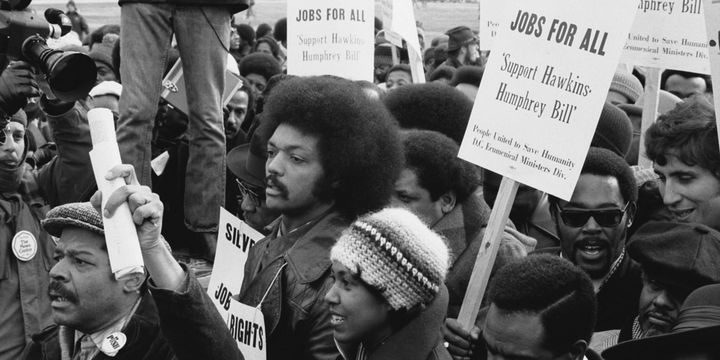
Jesse Jackson’s Legacy on Civil Rights and Technology Jackson's legacy includes marching with Dr King and running for president twice. Less known is the work he did pushing tech companies to confront discrimination.
‘Best Interests of the Child’ Paradox: The Social Media Ban Debate in the UK The UK’s current approach, including the rollout of the Online Safety Act, is still failing to end the widespread harms facing young people online.
Community Networks: Critical Infrastructure For Rural Connectivity In India As India goes digital-first, millions remain offline. Locally run networks show how connectivity can be built where markets fall short.